
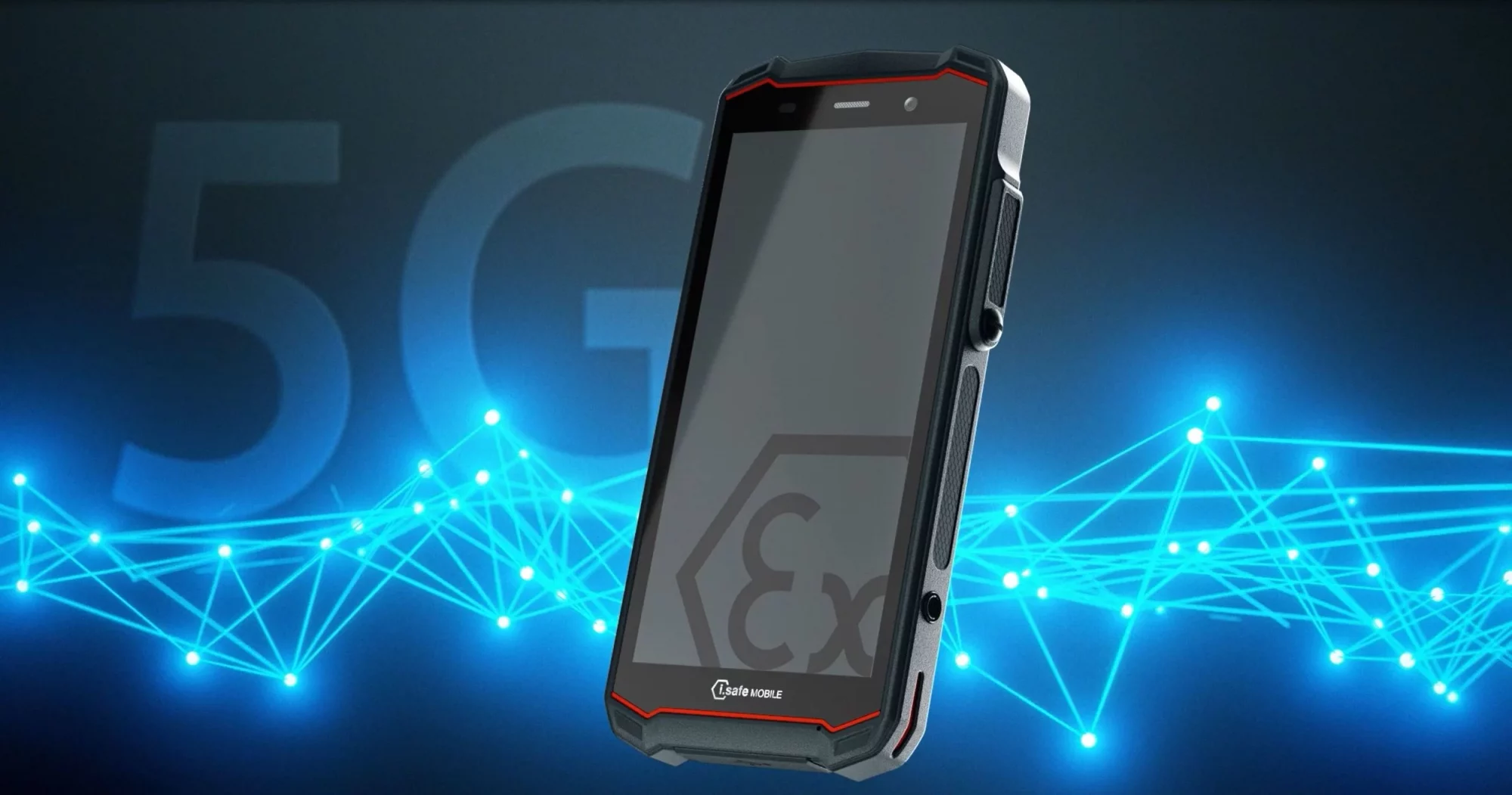
In industries like mining, construction, oil & gas, and factories, safety is always the top priority. Workers often operate in risky environments where gases, dust, or chemicals are present. In such places, using a normal smartphone can be dangerous.
That’s why companies use safe phones, also known as intrinsically safe smartphones for hazardous environments
What Are Safe Phones?
Safe phones are specially designed mobile devices that can be used in hazardous areas. These phones are built in a way that they do not produce sparks, heat, or electrical energy that could cause an explosion.
They follow strict safety standards and are tested for use in dangerous environments. This makes them completely different from regular smartphones.
Why Are Safe Phones Important?
In mines and factories, there are many risks such as:
- Flammable gases
- Dust explosions
- Chemical leaks
- High temperatures
Even a small spark from a normal phone can lead to a serious accident. Safe phones are designed to eliminate this risk. They allow workers to communicate safely without worrying about safety hazards.
Using these phones helps companies protect their workers and reduce accidents.
Key Features of Safe Phones
Safe phones come with many useful features that make them suitable for tough industrial environments.
1. Explosion-Proof Design
The most important feature is their ability to prevent sparks and overheating. This ensures they can be safely used in dangerous zones.
2. Strong and Durable Build
These phones are very tough. They are made to handle rough use, drops, dust, and water. Many of them are waterproof and dustproof.
3. Long Battery Life
Workers often have long shifts, especially in mines. Safe phones are designed with strong batteries that can last for many hours.
4. Easy to Use
These phones are simple to use, even with gloves. The screens are designed for industrial use and work well in different conditions.
5. Communication Features
Safe phones support calling, messaging, and sometimes video communication. This helps workers stay connected with their team and supervisors.
6. GPS and Safety Tracking
Many safe phones come with GPS tracking. This allows companies to track worker locations and respond quickly in case of emergencies.
Best Safe Phones for Mines and Factories
Here are some popular safe phones used in industrial environments:
1. Conquest S19 ATEX
This is a strong and reliable phone designed for hazardous areas. It supports advanced features and is suitable for mining and oil industries.
2. Ecom Smart-Ex 02M
This phone is widely used in mining environments. It is easy to operate and works well even in dirty or dusty conditions.
3. XunLx EX-M8
This device offers advanced features like thermal imaging, making it useful for inspections and safety checks.
4. XUXIN KTW426 5G
A modern safe phone with 5G connectivity. It helps in real-time communication and data sharing in factories and mines.
5. Dorland Extreme 5G
This phone combines durability with modern features, making it suitable for heavy industries.
How to Choose the Right Safe Phone
Choosing the right safe phone is important. Here are some things to consider:
- Safety Certification: Always check if the phone meets safety standards
- Work Environment: Choose based on where it will be used
- Battery Life: Make sure it lasts through long shifts
- Durability: It should be strong and resistant to dust and water
- Features Needed: GPS, camera, and communication tools
Final Thoughts
Safe phones are more than just communication devices. They play an important role in keeping workers safe in dangerous environments.
For industries like mining and manufacturing, investing in the right safe phone can prevent accidents and improve efficiency.
As technology continues to improve, these phones are becoming smarter and more reliable. Choosing the right one today can make a big difference in workplace safety and productivity.


More Stories
Reconnecting the World: How Online Connectivity is Shaping Our Future
The Web That Weaves Us: How Online Connectivity Shapes Our Modern World
The Future of Internet: Trends Redefining Our Digital World